
 Send Inquiry
 07971190993


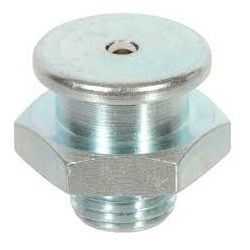
Din 71412 Hydraulic-Type Grease Nipples
Product Details:
- Thickness Standard for grease nipple fittings
- Hardness Varies by material typically hardened steel
- Diameter Varies depending on size
- Torque Depends on application typically requires controlled tightening
- Standard DIN 71412
- Finish Zinc-plated or stainless steel
- Grade Standard industrial grade
- Click to View more
X
Din 71412 Hydraulic-Type Grease Nipples Price And Quantity
- 100 Piece
Din 71412 Hydraulic-Type Grease Nipples Product Specifications
- Standard for grease nipple fittings
- Lubrication systems in machinery
- Other
- Other
- Varies by material typically hardened steel
- Varies depending on size
- Depends on application typically requires controlled tightening
- Metric or imperial conforming to DIN standards
- Zinc-plated or stainless steel
- DIN 71412
- Standard industrial grade
- Industry standard for hydraulic nipples
- Ball-type
- Other
- Hex or spanner-driven
- Dependent on grade and material usually high for durability
- Allows efficient grease distribution under pressure
- Yes
- Ball/socket design
Product Description
Specifications:- Standard: DIN....
- Sizes:As per the attached PDF file or as per customer requirement
- Material: M.S., EN 1A Leaded, 11SMnPb30+C, S.S. 303, S.S. 316
- Hardness: Min.550 HV for nipple head, if required
- Thread: parallel, taper
- Surface treatment: clear (blue) zinc plated, yellow zinc plated, olive green zinc plated, zinc trivalent plated
Reliable Performance for Lubrication Systems
Din 71412 hydraulic grease nipples are engineered to optimize lubrication processes in industrial machinery. Their design ensures robust performance, efficient grease flow, and long-lasting durability even in demanding environments. The corrosion-resistant finish makes them suitable for diverse applications, extending service intervals and minimizing maintenance costs.
Versatile Options and Standard Compliance
Manufactured to precise DIN 71412 standards, these nipples are available with both metric and imperial threads, and offer compatibility with industry fittings. Multiple diameter and thickness options cater to various lubrication system needs, while zinc-plated or stainless steel finishes provide exceptional resistance against corrosion and wear.
FAQ's of Din 71412 Hydraulic-Type Grease Nipples:
Q: How are Din 71412 hydraulic-type grease nipples installed in machinery?
A: These grease nipples are typically installed by screwing them into pre-threaded lubrication points using a hex or spanner drive. Controlled torque is required to ensure a secure and leak-free fit without over-tightening.Q: What advantages does the ball-type head design offer in grease distribution?
A: The ball-type head design enables efficient, directional grease flow under pressure, ensuring thorough lubrication of moving machine parts and minimizing waste or leakage.Q: When should I use zinc-plated versus stainless steel grease nipples?
A: Zinc-plated nipples are suitable for general applications; use stainless steel varieties in corrosive or high-moisture environments, as they offer greater resistance against rust and chemical effects.Q: Where are Din 71412 grease nipples commonly applied?
A: They are widely used in industrial machinery, vehicles, and equipment with lubrication systems to maintain reliable operation and extend component lifespan.Q: What process ensures these nipples meet DIN 71412 standards and industry tolerances?
A: Manufacturers follow strict production protocols, including material selection, precision machining, and quality checks to guarantee conformity with DIN 71412 and industry tolerance requirements.Q: What is the main benefit of using corrosion-resistant grease nipples in machinery?
A: Corrosion resistance prevents premature failure, reduces maintenance frequency, and enhances long-term reliability in lubrication systems, especially under harsh operating conditions.Q: How does the grade and hardness of the material affect the performance of the nipples?
A: A higher grade and hardness ensure the nipples withstand greater tensile stresses, wear, and repeated use, making them ideal for intensive industrial applications.Tell us about your requirement

Price:
Quantity
Select Unit
- 50
- 100
- 200
- 250
- 500
- 1000+
Additional detail
Mobile number
Email

Other Products in 'Grease Fitting' category



Office Address : E-107, Focal Point, Phase-IV, Ludhiana - 141010, Punjab, India
Phone : 91-161-4624223
Contact Details

- No. 188, Khetwadi Back Road, Mansukh Niwas,Mumbai - 400004, Maharashtra, India
- Phone : 07971190993
CAI ENTERPRISES
GST : 27AAGFC4263R1ZW
GST : 27AAGFC4263R1ZW

- Mr. Pranav Chandawalla (Partner)
- Mobile : 07971190993
- chandawallaauto@gmail.com
 Send Inquiry
 Send SMS
CAI ENTERPRISES
All Rights Reserved.(Terms of Use)
Developed and Managed by Infocom Network Private Limited.
Developed and Managed by Infocom Network Private Limited.

