
 Send Inquiry
 07971190993

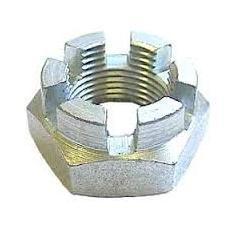
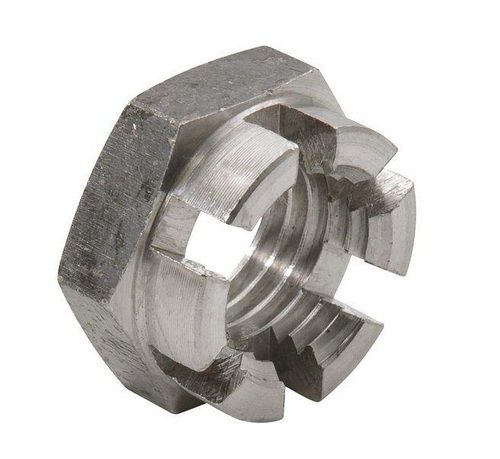
DIN 979 Castle Nut
Product Details:
- Head Type Hexagonal with slots (Castle Type)
- Standard DIN 979
- Head Size Varies with specification; typically in mm size range
- Material Steel
- Function Used to lock a bolt in place with a pin or secure fastening in automotive and machinery applications
- Weight Dependent on size; typically light-weight for standard nuts
- Surface Zinc-plated or plain finish for corrosion resistance
- Click to View more
X
DIN 979 Castle Nut Price And Quantity
- 100 Piece
DIN 979 Castle Nut Product Specifications
- Zinc-plated or plain finish for corrosion resistance
- Castle design with slots for secure fastening
- Dependent on size; typically light-weight for standard nuts
- Varies with specification; typically in mm size range
- Steel
- Hexagonal with slots (Castle Type)
- Used to lock a bolt in place with a pin or secure fastening in automotive and machinery applications
- DIN 979
Product Description
DIN 979 Castle Nut
Specifications:
- Standard: DIN 937, DIN....
- Sizes: As per the attached PDF File
- Material: Mild Steel, EN 8, AISI 1035, EN 8D, AISI 1045
- ISO property class: 5, 8, 10
- Thread: I.S.O. Metric (fine & rough)
- Surface treatment: Auto black, Clear / Yellow Zinc Electroplated, Dacromet, Geomet, Black Oxide, Hot Dip Galvanized
High-Quality Castle Nut Design
The DIN 979 castle nut features a hexagonal shape with strategically placed slots, facilitating easy insertion of a locking pin. Its ergonomic design supports secure and stable fastening in critical applications, making it a preferred choice for automotive and machinery systems where precision and safety are paramount.
Corrosion Resistance and Durability
Manufactured from high-grade steel with optional zinc-plated or plain finishes, these nuts withstand harsh environments by resisting rust and wear. The surface treatment extends the nut's operational lifespan, ensuring consistent performance and reduced maintenance in demanding industrial settings.
FAQ's of DIN 979 Castle Nut:
Q: How do you properly use a DIN 979 Castle Nut in fastening applications?
A: To use a DIN 979 Castle Nut, tighten it onto a bolt so its slots align with the pre-drilled hole in the bolt. Insert a locking pin through the slots and hole to securely lock the assembly, preventing the nut from loosening during operation.Q: What is the benefit of the castle design in DIN 979 nuts?
A: The castle design provides slots for a locking pin, enhancing security by preventing accidental rotation. This feature is especially beneficial in applications subject to vibration or movement, such as automotive and machinery components.Q: When should you choose a zinc-plated finish over a plain finish for these nuts?
A: Opt for a zinc-plated finish when corrosion resistance is required or when the nut will be used in environments exposed to moisture. Plain finish is suitable for dry, indoor settings where corrosion is not a concern.Q: Where are DIN 979 Castle Nuts typically used?
A: These nuts are commonly utilized in automotive, machinery, and engineering applications across India and international markets. Their secure locking feature is ideal for assembling components that must remain fixed under stress.Q: What is the manufacturing process for DIN 979 Castle Nuts?
A: DIN 979 Castle Nuts are produced by forging hexagonal steel blanks, machining slots into the head, and applying surface treatments such as zinc plating for corrosion resistance. The nuts are then inspected for compliance with DIN 979 standards.Q: How does the head size of a DIN 979 Castle Nut affect its application?
A: The head size, specified in millimeters, determines the compatibility with various bolts and the required tool for installation. Selecting the correct size ensures optimal fit and secure locking in assembly operations.Q: What advantage does lightweight construction offer in standard castle nuts?
A: Lightweight construction makes handling and installation easier, especially in assemblies where weight is a concern. It also facilitates swift replacement during maintenance, minimizing downtime in industrial operations.Tell us about your requirement

Price:
Quantity
Select Unit
- 50
- 100
- 200
- 250
- 500
- 1000+
Additional detail
Mobile number
Email

Other Products in 'Castle Nut' category

Office Address : E-107, Focal Point, Phase-IV, Ludhiana - 141010, Punjab, India
Phone : 91-161-4624223
Contact Details

- No. 188, Khetwadi Back Road, Mansukh Niwas,Mumbai - 400004, Maharashtra, India
- Phone : 07971190993
CAI ENTERPRISES
GST : 27AAGFC4263R1ZW
GST : 27AAGFC4263R1ZW

- Mr. Pranav Chandawalla (Partner)
- Mobile : 07971190993
- chandawallaauto@gmail.com
 Send Inquiry
 Send SMS
CAI ENTERPRISES
All Rights Reserved.(Terms of Use)
Developed and Managed by Infocom Network Private Limited.
Developed and Managed by Infocom Network Private Limited.

