
 Send Inquiry
 07971190993
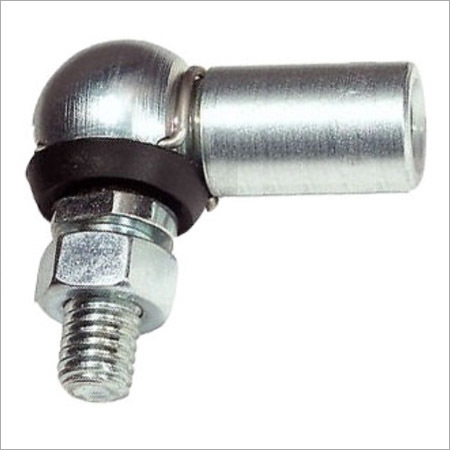

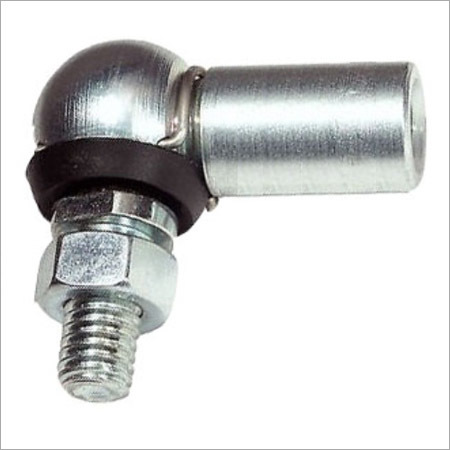
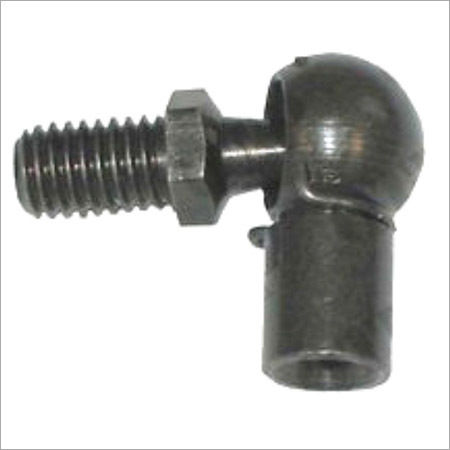
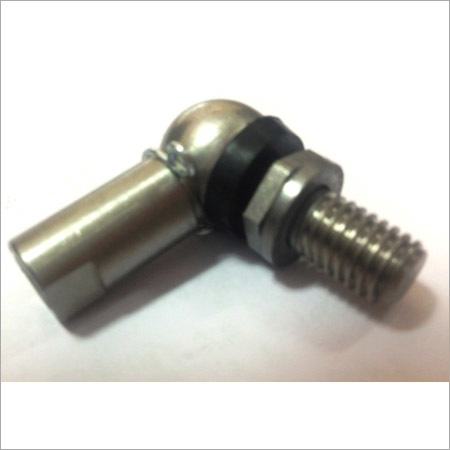
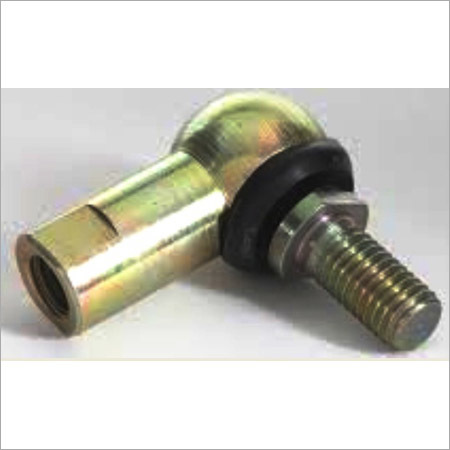
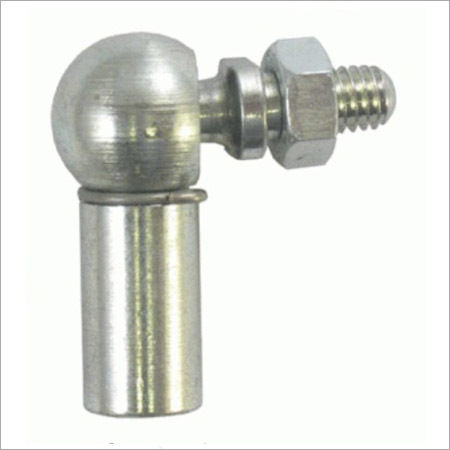
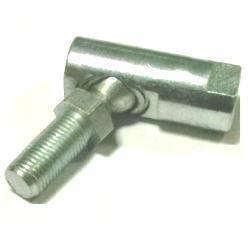
Angled Ball Joint
20.00 - 200.00 INR
Product Details:
- Surface Treatment Zinc Plated
- Length 45 mm
- Thickness 5 mm
- Head Type Angled Ball Socket
- Thread Type Metric Fine
- Heat Treatment Vacuum Hardened
- Diameter 10 mm
- Click to View more
X
Angled Ball Joint Price And Quantity
- 20.00 - 200.00 INR
- 100 Piece
Angled Ball Joint Product Specifications
- 45 mm x 15 mm x 10 mm
- 5 mm
- 45 mm
- Mechanical Linkages
- Metric Fine
- Angled Ball Socket
- Carbon Steel Grade 8.8
- Vacuum Hardened
- Zinc Plated
- 10 mm
- DIN 71802
- -40C to +120C
- Automotive and Machinery Joints
- 10 mm
- High
- Carbon Steel
- Boxed
- Pre-lubricated
- 650 MPa
- Smooth
- Yes
- 30 Degrees
Angled Ball Joint Trade Information
- 10000 Piece pieces per month. Per Month
- Days
- Yes
- Contact us for information regarding our sample policy
- Carton boxes.
- All India
- ISO
Product Description
Angled Ball JointMaterial:- DIN 71805 Ball socket - low carbon steel, EN 1AL / AISI 12L13 / 11SMnPb30+C, stainless steel 304 / 316
DIN 71803 Ball shank - low carbon steel, hardened carbon steel, stainless steel 304 / 316, lubricated
Safety catch - hardened spring steel
Snap ring - hardened spring steel
GN 710 Dust seal - neoprene
Angle of rotation:- with safety catch, it is 15° & without, it is 18°
Surface finish:- zinc passivation blue / yellow / olive green
Specification:- In accordance with DIN 71802 (ref. attached) or customer drawing
Robust Engineering for Critical Linkages
Built to DIN 71802 standards, this angled ball joint delivers exceptional strength and high corrosion resistance, ensuring reliability across demanding environments. Its pre-lubricated, zinc-plated carbon steel construction supports a broad operating temperature range, making it suitable for diverse automotive and mechanical systems.
Precision Design and Easy Integration
Measuring 45 x 15 x 10 mm with a smooth, vacuum-hardened finish and metric fine threading, this joint integrates seamlessly into new or existing assemblies. Its compact, robust form supports ease of installation and long service life, contributing to reduced maintenance and consistent mechanical performance.
FAQs of Angled Ball Joint:
Q: How is the Angled Ball Joint typically used in machinery and automotive systems?
A: This ball joint serves as a vital connecting element in mechanical linkages, such as steering mechanisms or movable joints, accommodating movement and alignment while ensuring robust load-bearing capacity.Q: What makes this ball joint suitable for high-stress and corrosive environments?
A: Its carbon steel Grade 8.8 construction, combined with vacuum hardening and zinc plating, delivers high tensile strength (650 MPa) and superior corrosion resistance, supporting performance even under challenging conditions.Q: When should the Angled Ball Joint be replaced or inspected?
A: Although pre-lubricated and designed for durability, periodic inspection is advised, especially during scheduled maintenance. Replace if any signs of excessive wear, play, or corrosion are detected to maintain optimal mechanical function.Q: Where can this ball joint be installed?
A: It is designed for use in both automotive and industrial machinery assemblies, wherever a metric fine-threaded, 10 mm angled ball socket joint is specified, such as in linkage or articulation points.Q: What is the process for ensuring the ball joints long-term performance?
A: Ensure correct installation using compatible metric fine threads and keep the joint within its specified operating temperature range. Routine inspections and maintaining clean surrounding environments help extend operational life.Q: What are the benefits of choosing this particular ball joint over standard options?
A: This joint offers a combination of high tensile strength, robust corrosion resistance, and smooth, pre-lubricated operation. Its precise engineering and compliance with DIN 71802 ensure it withstands demanding use with minimal maintenance.Tell us about your requirement

Price:
Quantity
Select Unit
- 50
- 100
- 200
- 250
- 500
- 1000+
Additional detail
Mobile number
Email

Other Products in 'Ball Joint' category

Office Address : E-107, Focal Point, Phase-IV, Ludhiana - 141010, Punjab, India
Phone : 91-161-4624223
Contact Details

- No. 188, Khetwadi Back Road, Mansukh Niwas,Mumbai - 400004, Maharashtra, India
- Phone : 07971190993
CAI ENTERPRISES
GST : 27AAGFC4263R1ZW
GST : 27AAGFC4263R1ZW

- Mr. Pranav Chandawalla (Partner)
- Mobile : 07971190993
- chandawallaauto@gmail.com
 Send Inquiry
 Send SMS
CAI ENTERPRISES
All Rights Reserved.(Terms of Use)
Developed and Managed by Infocom Network Private Limited.
Developed and Managed by Infocom Network Private Limited.

