Send Inquiry
 07971190993



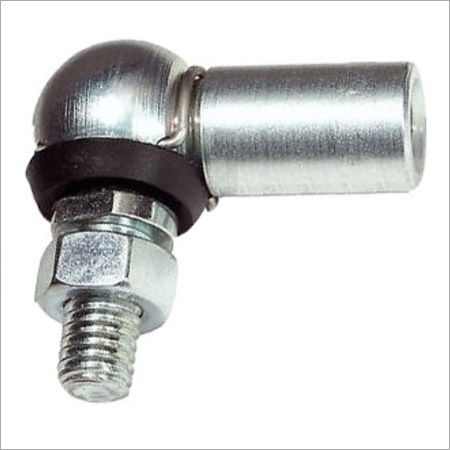
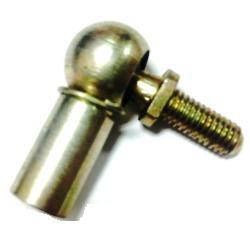
Ball Joint Housing
20.00 INR/Piece
Product Details:
X
Ball Joint Housing Price And Quantity
- 50 Piece
- 20.00 INR/Piece
Ball Joint Housing Trade Information
- mumbai
- 10000 Piece Per Month
- 1 Week
- Yes
- Contact us for information regarding our sample policy
- Carton boxes.
- All India
- ISO 9001:2015
Product Description
Ball Joint Housing
Material:- low carbon steel, EN 1AL / AISI 12L13 / 11SMnPb30, stainless steel 304 / 316 / 316L
Type:- self-locking (internal taper groove), locking with safety catch
Threading:- RH (Right-handed), LH (Left-handed)
Surface finish:- zinc passivation blue / yellow / olive green
Specification:- In accordance with DIN 71805 (ref. attached) or customer drawing
Robust Material Options
Choose from a selection of low carbon steel and stainless steels (304, 316, 316L) for ball joint housings, providing both strength and corrosion resistance to fit a broad range of demanding industrial and automotive requirements.
Superior Surface Protection
Our advanced zinc passivation treatments in blue, yellow, or olive green significantly extend the service life of each housing by preventing rust and corrosion, making them reliable even under harsh operational conditions.
Versatile Application
Designed for seamless integration, these ball joint housings serve various needs in the automotive and industrial sectors. They are efficiently supplied through distributors, exporters, manufacturers, and traders throughout India.
FAQ's of Ball Joint Housing:
Q: How are ball joint housings manufactured for optimal performance?
A: These housings are produced using low carbon steel or stainless steels, subjected to precision machining and then finished with zinc passivation. This process ensures excellent strength, minimizes wear, and enhances corrosion resistance, making the components reliable under dynamic loads.Q: What surface treatments are available for ball joint housings?
A: Customers can choose from three zinc passivation options: blue, yellow, or olive green. Each finish adds a strong protective barrier against rust and environmental impacts, extending the product's usability in varied climates.Q: When should I opt for stainless steel versus low carbon steel in ball joint housing applications?
A: Stainless steel (304, 316, 316L) is ideal for environments where superior corrosion resistance is required, such as chemical or marine applications. Low carbon steel works well in general industrial and automotive uses where corrosion is less of a concern and cost-effectiveness is important.Q: Where are these ball joint housings typically used?
A: They are widely utilized in industrial machinery and automotive components. Their robust design and adaptability also make them suitable for various other applications handled by exporters, manufacturers, traders, and suppliers in India.Q: What benefits do zinc passivated ball joint housings offer over untreated components?
A: Zinc passivation shields the housing from oxidation and corrosive elements, significantly extending service life and reducing maintenance costs, particularly in demanding operating environments.Q: How can distributors and traders in India source these ball joint housings?
A: Distributors, exporters, and suppliers across India can procure these housings directly from manufacturers. Reliable delivery and consistent quality ensure seamless supply chains for a variety of industrial and automotive clients.Tell us about your requirement

Price:
Quantity
Select Unit
- 50
- 100
- 200
- 250
- 500
- 1000+
Additional detail
Mobile number
Email

Other Products in 'Ball Joint' category

Office Address : E-107, Focal Point, Phase-IV, Ludhiana - 141010, Punjab, India
Phone : 91-161-4624223
Contact Details

- No. 188, Khetwadi Back Road, Mansukh Niwas,Mumbai - 400004, Maharashtra, India
- Phone : 07971190993
CAI ENTERPRISES
GST : 27AAGFC4263R1ZW
GST : 27AAGFC4263R1ZW

- Mr. Pranav Chandawalla (Partner)
- Mobile : 07971190993
- chandawallaauto@gmail.com
 Send Inquiry
 Send SMS
CAI ENTERPRISES
All Rights Reserved.(Terms of Use)
Developed and Managed by Infocom Network Private Limited.
Developed and Managed by Infocom Network Private Limited.